A story of conversation, cacao, and environmental champions on the world’s edge.
-
Indigenous groups with strong ties to their native lands can be our greatest climate champions.
Populations living integrally with their ancestral lands maintain forest integrity, minimizing land-use degradation and extractive practices. These groups act as strongholds against exploitative land developments, custodians over biodiversity.
Indonesia lost an estimated 0.5 percent of its total tree cover annually from 2001 to 2021. By comparison, forests on the Ogoney tribal land in West Papua, Indonesia observed a 0.1 percent annual deforestation rate over the same time period.
Further, when paired with government-designated protected areas, Indigenous-managed lands see even greater outcomes—mitigating deforestation, preventing widespread tropical floods, and acting as powerful carbon sinks.
Indonesian Papua is the third largest rainforest-swathed land in the world, preceded only by the Amazon and Congo. Indonesia is the second most biodiverse country in the world, with Indonesia Papua harboring a rich endemism with species found nowhere else. Indonesia Papua’s 35 million hectares of forests remove around 52 million tons of carbon dioxide annually, an equivalent to Singapore’s carbon output in 2022.
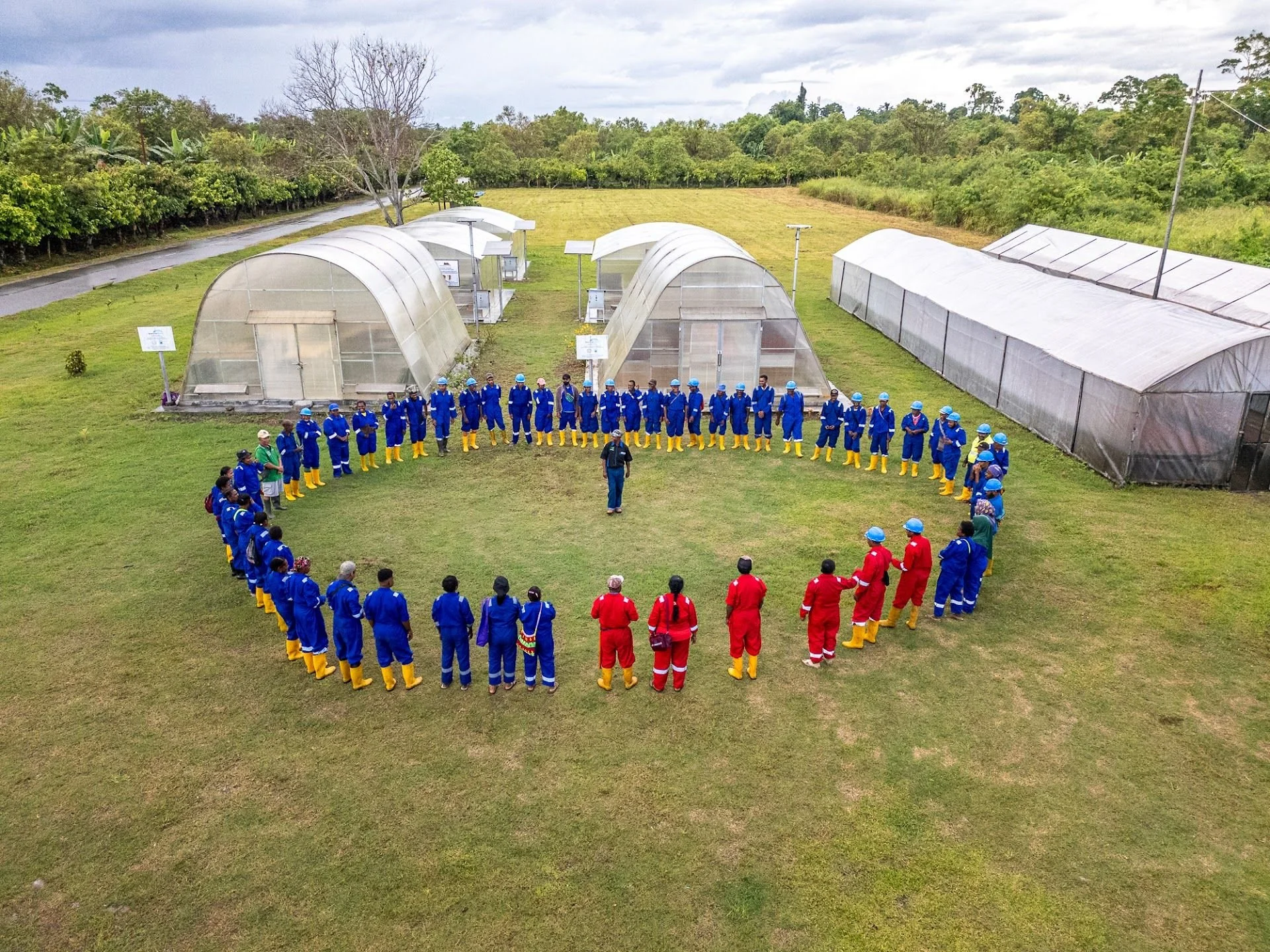
PT Ebier Suth Cokran, a cacao estate and community in West Papua, Indonesia, serves as a model for successful indigenous and state-legislated integration of land conservation. A sprawling 2,000 hectare plot of wildlands has been granted to Cokran’s stewardship—200 hectares are used for cacao production, 800 hectares are reserved for biodiversity conservation, and the other 1,000 hectares hold the potential to be used for regenerative agriculture and to enhance the green economy in Papua, Indonesia.
Indonesia Papua’s importance on the world stage for climate, conservation, and the green economy cannot be understated.
What if supporting groups like Ebier Suth Cokran and enhancing their reach to the world market through meant protecting forests and species? What if your chocolate purchase meant increased carbon capture and a cleaner earth? What if our conservation efforts through partnerships with groups like theirs meant more chocolate to go around for everyone?
Supporting groups like Suth Ebier Cokran and their work for, is, in fact, like having your (chocolate) cake and eating it, too.
Photos © Ebier Suth Cokran & Jeffrey S.S.